




For participants
Housing and getting to work
Before you travel, you will know where you will live, what it costs each week and how you will get to every shift. No car needed.
45+
business clients served
20
workforce services
12
industries supported
10
cities served
What your housing looks like
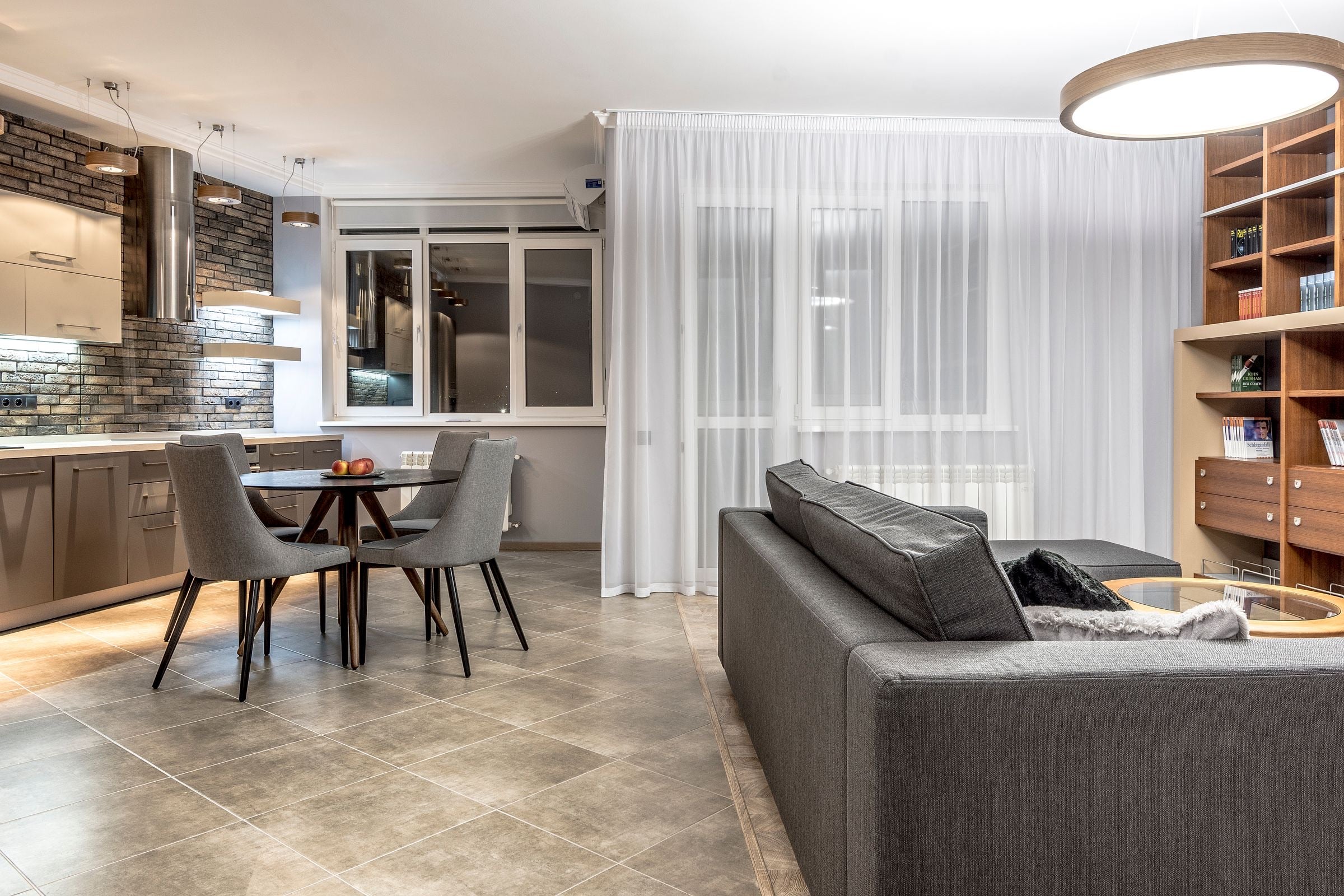
Most seasonal workers on the Gulf Coast share furnished apartments or houses with other participants. You will usually share a bedroom or a bathroom, and common areas such as the kitchen and living room. It is simple, practical living close to work, and many participants say it is where they make friends for the summer.
Exactly what you get depends on your placement and the season. Before you travel, we and your sponsor confirm the details with you: the address, who you share with, what is provided and how you will get to work.
What it costs and how you pay
Housing is not free, and costs vary by location, season and type of room. Summer is peak season on the coast, when rents are at their highest. We work to keep housing affordable relative to your pay, and you will always know the cost before you commit.
You pay rent directly to the housing provider, or, only if you choose it in writing, through a deduction from your pay. A deduction can never reduce your pay below the legal minimum wage, and you can see every deduction on your pay statement.
Weekly rent
The amount, when it is due and how to pay it.
Deposit
Whether there is one, how much, and exactly how and when you get it back.
What is included
Utilities, internet, furniture, bedding and kitchen items, so you know what to bring.
Transport cost
Any cost for rides or shuttles to work, or a free route if you can walk or cycle.
Plan for your first weeks: arrive with enough money for food, any deposit and your first rent payment until your first paycheck arrives.
Getting to work without a car
You do not need a car or a driver’s license for any job we help arrange. Depending on where you live and work, you might walk, cycle or use shared transportation planned around your shift times. Public transit between beach communities is limited, so we plan your route before you arrive rather than leaving you to figure it out.
If your shift changes, tell your manager and us, and we will make sure you still have a way to get there and back safely.
Standards every home must meet
Safe and clean
Sound, sanitary housing with working locks and smoke detectors.
Not overcrowded
Within local occupancy limits, with a real bed for every person.
In writing
A written agreement you can understand, with costs and rules listed.
Your documents stay with you
No landlord or employer may hold your passport or ID, ever.
If something is wrong
If your housing is unsafe, overcrowded or not what you were told, contact us and your sponsor straight away. We will work to fix it or find you somewhere else. You will not lose your job or your program for reporting a problem.
Program rules require you to keep your sponsor informed of where you live. If you move, tell your sponsor promptly.
What you can count on
Details before you travel
Your address, weekly cost and route to work are confirmed with you in writing before you leave home.
Close to your job
Housing near your workplace, or on a reliable route to it, so you can reach early and late shifts.
Costs you can plan for
Every cost is listed up front: rent, deposit, utilities and transport. No surprises after you arrive.
A local team to call
Our Miramar Beach office is minutes away, not in another state, if anything goes wrong.
Common questions
Can I find my own housing?
Often, yes, if it is safe, within reach of your job, and your sponsor approves it. Tell us and your sponsor before you sign anything, and give your sponsor your new address.
Is housing guaranteed?
We help arrange housing for participants placed with Alto or our clients, and you will know the details before you travel. If something changes, we tell you and your sponsor right away.
Do I have to pay a deposit?
Some housing requires one. If yours does, you will know the amount, when it is due and how you get it back before you travel.
Can rent come out of my pay?
Only if you choose it in writing. Deductions are shown on every pay statement and can never take your pay below the legal minimum wage.
What if I do not feel safe?
Call 911 in an emergency. Otherwise call us and your sponsor immediately. You can also reach the Department of State J-1 emergency helpline 24 hours a day at 1-866-283-9090.